
October 1, 2026
Digital Traceability in Global Quality Assurance: Connecting Factory Data, Inspection Records, and Supplier Performance
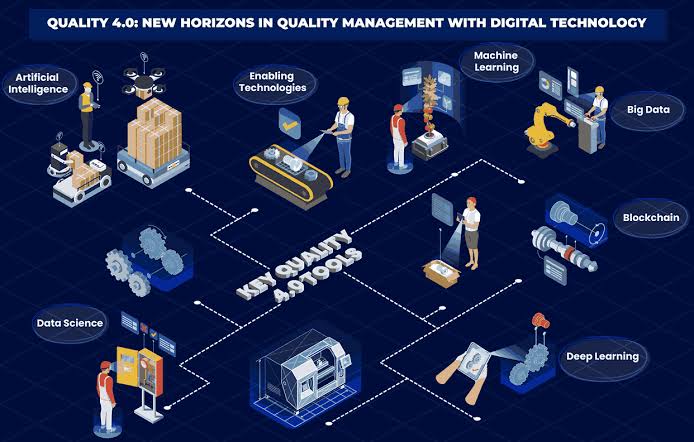
Global manufacturing networks are growing increasingly complex each year. There are many different factories, component suppliers, testing facilities, warehouses, and logistics providers that can be involved in a single product before it reaches the customer. Given the number of steps in the process it can be surprisingly hard to determine the source of a quality issue.
Digital traceability tackles this challenge by bringing information together in the manufacturing and quality lifecycle. Rather than having inspection reports, production records and supplier data as distinct data points, businesses can establish a connected quality environment. This helps to pinpoint issues, understand the root cause problems, and make quicker decisions.
Why Supplier Traceability Matters in Global Manufacturing
Supplier management in various countries is a huge challenge of visibility. There are many different ways of working, recording, quality control, and reporting from one facility to another. A company can get a lot of raw materials that don’t meet quality standards without being able to tell whether the quality issue was caused by the raw materials themselves, the manufacturing process, handling, or something else.
This is why Supplier Audit information is more valuable when integrated with other manufacturing information. An audit history, inspection results, corrective actions and supplier performance metrics can provide a comprehensive view of operational reliability. Quality teams can look for patterns over months or years instead of relying on one inspection to evaluate a supplier.
What Digital Traceability Connects
Digital traceability establishes connections between various manufacturing and quality information. The objective isn’t simply to collect more data. It’s to link the right information with the quality teams to have an idea of what happened, where and why.
- Production Records: Link products to production batches, machines, operators and manufacturing dates.
- Inspection Records: Keep measurements, photos, defect classifications and inspection results for each lot/purchase order.
- Trace raw materials and components to their original suppliers and batches: Material Records.
- Corrective Actions: correlate failure of quality with investigation, root cause and corrective action activities.
- Shipment Information: Relate finished products to shipping dates, destinations, quantities and relevant inspection results.
- Supplier Performance Data: Review past quality data with delivery performance and recurring nonconformities.
These records are linked together and it’s much easier to investigate a defect. A quality manager can switch from a failed product to the production batch, materials, inspection history and supplier records without having to manually search through multiple systems.
Technology Behind Digital Quality Traceability
The modern traceability systems are based on the interaction of several technologies. Production and purchasing information can be shared via ERP platforms, and quality management systems can be used for inspections, nonconformities and corrective actions. Cloud platforms can then provide access to relevant information to authorized teams in various locations.
Other useful identifiers include barcodes, QR codes, RFID tags, and digital batch identifiers. The technologies enable linking physical products or components with digital records. For instance, the batch identifier can be scanned to provide the production date, material source, inspection results, and shipment information. Basic tech, but very handy when things go wrong.
Using Inspection Data for Root Cause Analysis
Traceability is particularly useful if a quality issue arises after production. Investigators might have to reach out to multiple departments and suppliers to piece together the events if there are no connected records. That can take days, particularly when production occurred overseas.
A connected system allows investigators to trace the product step-by-step. They can review lots of material, machine conditions, measurements taken during inspection, previous defects, and corrective measures. This is important to help teams differentiate between failure of a single part and a recurring problem in the process, and is a key component in effectively conducting a root cause analysis.
Improving Supplier Performance Through Data
Digital traceability also alters the way companies measure their suppliers. Rather than depending on reviews on a periodic basis, businesses can keep track of quality indicators continuously. All of the above can be analyzed in combination with defect frequency, repeat nonconformities, corrective action response times, and inspection outcomes.
This data can be used to inform more focused supplier management. If a supplier has a history of consistent performance, then there may be less need for intensive oversight, and if a supplier has a history of failures, then there may be more need for additional investigation or quality controls. It is important to remember that decisions are not made based on assumptions or on isolated incidents, but on documented performance.
Challenges in Implementing Digital Traceability
Creating a traceable quality system can be a bit difficult. Many companies have a number of software platforms, suppliers who have different capabilities, and different data formats. To integrate these systems, there is a need for a clear data standard and an approach to assigning identifiers to products, batches, components and suppliers.
Another key consideration is data quality. An incomplete entry of information by employees or inconsistent records from suppliers can make the traceability system unreliable. The technology is not as significant as training, standardized procedures, access control and frequent data validation.
Conclusion
Digital traceability offers manufacturers a more transparent understanding of the movement of products in complex, global supply chains. This links factory records, inspection results, material data, corrective actions, and supplier performance, allowing companies to delve deeper into issues and make more informed quality decisions.
Inspection companies can play a valuable role in providing independent inspection data to this connected quality ecosystem for organisations operating in several countries and production facilities. Combining external inspection with internal manufacturing and supplier records provides a more comprehensive view of quality performance, compliance risks, and potential process gaps for businesses. The outcome is a quality system that is based on visibility and not on guesswork.