
September 8, 2026
Shut Down Russia Airspace: A Clear Strategy for Ukraine
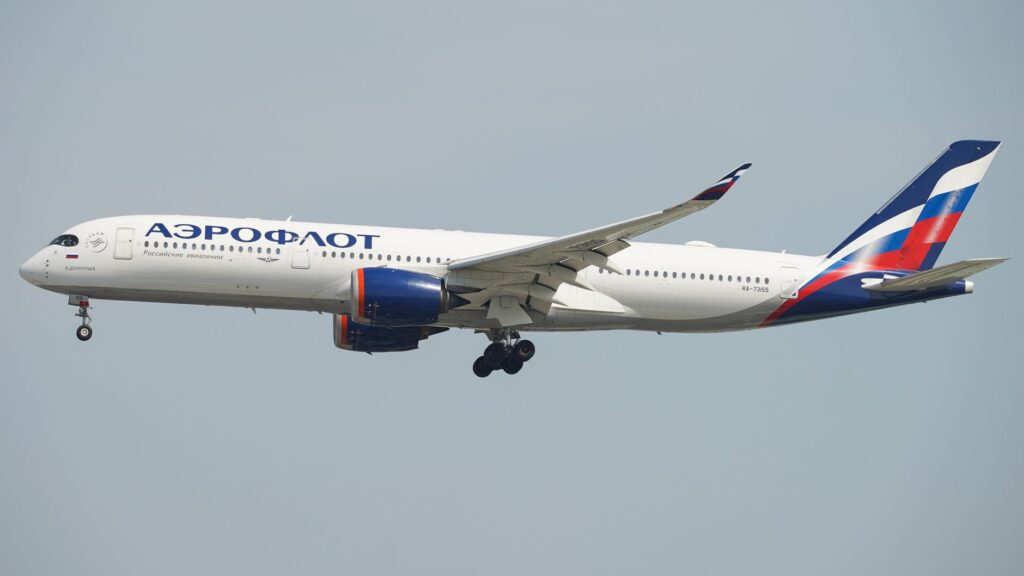
Shut down Russia airspace is Ukraine’s next strategic goal as tensions escalate. The country is focusing on measures to limit Russian commercial aviation operations.
Overview of Ukraine’s Airspace Strategy
In recent developments, Ukraine has intensified its efforts to shut down Russia airspace as part of a broader military strategy aimed at mitigating threats from its neighbor. This approach is designed not only to protect Ukrainian airspace but also to disrupt Russian operations significantly. By limiting access to Russian commercial airspace, Ukraine can hinder logistical support and military movements.
Key components of this strategy include:
- Enhanced Surveillance: Ukraine has been bolstering its radar systems and surveillance capabilities to monitor air traffic effectively.
- International Cooperation: Collaborating with NATO allies and other countries to strengthen airspace security and increase pressure on Russia.
- Targeted Operations: Conducting targeted military operations that aim to disrupt Russian supply lines and their ability to operate within their own airspace.
By implementing these measures, Ukraine hopes to create a more secure environment and deter future aggressions. The focus on shutting down Russia’s airspace is also expected to have significant economic repercussions, as disruptions in air travel could impact trade and transportation routes across the region.
Impact on Commercial Aviation
The ongoing conflict in Ukraine has prompted a significant response concerning the safety of commercial aviation. A crucial aspect of Ukraine’s strategy involves efforts to shut down Russia airspace, which poses a threat not only to military operations but also to civilian flights. The implications of this strategy extend far beyond the immediate region, affecting global aviation networks.
As tensions escalate, airlines worldwide are reevaluating their flight paths. The potential for conflict within Russian airspace has led to a number of airlines taking precautionary measures, including:
- Flight cancellations: Major carriers have suspended routes that would typically traverse Russian airspace, prioritizing passenger safety.
- Increased costs: Rerouting flights around Russian airspace results in longer travel times and increased fuel consumption, contributing to higher ticket prices.
- Insurance challenges: Insurers are becoming increasingly wary of covering flights that operate near or through conflict zones, leading to further complications for airlines.
These changes indicate a broader trend in the aviation industry, as the ripple effects of geopolitical tensions continue to impact commercial operations. The decision to shut down Russia airspace could reshape flight routes and regulations, ultimately prioritizing safety over the convenience of direct flights.
International Reactions to Ukraine’s Goals
As Ukraine intensifies its efforts to shut down Russia airspace, the international community has responded with a mix of support and concern. Various nations have expressed their views on Ukraine’s strategy, highlighting the geopolitical implications.
- The United States has reiterated its backing for Ukraine, emphasizing the importance of maintaining air safety and security in the region. Officials have indicated that ensuring the integrity of Ukrainian airspace is crucial for regional stability.
- The European Union has expressed a unified stance, calling for coordinated actions to address the threats posed by Russia’s military activities. EU leaders are contemplating sanctions that could further restrict Russian air operations.
- NATO allies have also voiced their support, suggesting that shutting down Russia’s airspace could deter aggressive maneuvers. They argue that such actions would not only protect Ukraine but also bolster the security of neighboring countries.
- Humanitarian concerns have also come to the forefront, as the potential for increased conflict could result in civilian casualties and displacement. International organizations are urging for a balanced approach that prioritizes peace while addressing security needs.
In light of these reactions, Ukraine continues to navigate a complex diplomatic landscape as it pursues its aim to secure its airspace and protect its sovereignty.
Historical Context of Airspace Control
The control of airspace has been a pivotal factor in military conflicts throughout history, influencing the outcomes of battles and the strategies of nations. In the ongoing conflict between Ukraine and Russia, the need to shut down Russia airspace has been underscored by various military and geopolitical developments.
Historically, air superiority has allowed nations to conduct operations more effectively, disrupt enemy logistics, and protect their own forces. The concept of controlling airspace emerged prominently during World War I and became even more critical in World War II, where air forces played decisive roles in battles and campaigns.
As technology has advanced, the significance of airspace control has only increased. The introduction of advanced fighter jets, drones, and missile systems has made it essential for countries to maintain dominance in the skies. In the context of the Ukraine-Russia conflict, the ability to shut down Russia airspace would not only protect Ukrainian sovereignty but also enhance the safety of civilian flights and international relations.
- World War I: Establishing preliminary air combat strategies.
- World War II: Air superiority as a game changer in key battles.
- Modern Era: The role of technology in airspace control.
Thus, the push to shut down Russia airspace is a continuation of a long-standing military strategy that seeks to redefine control and security in the modern age.
Potential Consequences for Russia
The decision to shut down Russia airspace could lead to significant repercussions for the country, affecting various sectors and geopolitical dynamics. One of the most immediate consequences would be economic isolation, as limiting access to airspace would hinder international trade and travel. This isolation could exacerbate existing economic challenges, particularly in the aviation industry, which has already faced sanctions and restrictions due to ongoing conflicts.
Furthermore, a complete shutdown may provoke heightened tensions between Russia and Western nations. This move could be perceived as a direct challenge to Russia’s sovereignty, prompting potential retaliatory measures. Such actions could escalate military confrontations, especially in a region already fraught with instability.
In addition to economic and political ramifications, there are humanitarian concerns. A shutdown could complicate relief efforts, making it difficult for organizations to deliver aid and support to areas in need. The impact on civilians, especially those reliant on air travel for medical emergencies or personal matters, could be profound.
Overall, the potential consequences for Russia reflect a complex interplay of economic, political, and humanitarian factors that could reshape regional dynamics in the wake of Ukraine’s strategy to shut down Russia airspace.
Military Implications of Airspace Shutdown
The decision to shut down Russia airspace carries significant military implications for Ukraine and its allies. By restricting access to Russian airspace, Ukraine aims to limit the operational capabilities of Russian forces, particularly in terms of reconnaissance and air support.
One of the primary military advantages of this strategy is:
- Disruption of Intelligence Operations: By denying Russia the ability to conduct reconnaissance flights, Ukraine can reduce the effectiveness of enemy intelligence-gathering efforts, thus enhancing its own situational awareness.
- Protection of Ukrainian Air Assets: Shutting down airspace can provide a safer operational environment for Ukrainian aircraft, reducing the risk of engagement from Russian fighter jets or missile systems.
- International Military Support: This initiative may galvanize further support from NATO and other allies, encouraging them to provide advanced air defense systems to bolster Ukraine’s military capabilities.
However, the military implications extend beyond immediate battlefield tactics. A successful airspace shutdown could also serve as a psychological blow to Russian military morale, signaling that Ukraine is willing to take bold actions to protect its sovereignty. In the long term, this strategy may reshape the aerial dynamics of the conflict, forcing Russia to reassess its operational strategies in the region.
Future of Air Travel in the Region
The future of air travel in the region is poised for significant changes as Ukraine intensifies its efforts to shut down Russia airspace. This strategic move not only aims to enhance national security but also to reshape the dynamics of regional aviation.
As tensions between Ukraine and Russia persist, airlines operating in Eastern Europe may face new challenges. The potential shutdown of Russian airspace could lead to:
- Increased flight times: Airlines may need to reroute flights to avoid Russian airspace, resulting in longer travel durations and higher fuel costs.
- Changes in air traffic patterns: A significant shift in air travel routes could emerge, as airlines adapt to new regulations and safety concerns.
- Impact on tourism: The closure of Russian airspace could deter tourists from visiting the region, affecting local economies that rely on international visitors.
- Emergence of alternative routes: Airlines may explore new partnerships and routes to ensure connectivity while circumventing restricted areas.
While the long-term consequences remain to be fully understood, it is clear that the strategic goal of shutting down Russian airspace will have far-reaching effects on the aviation landscape, pushing airlines to adapt in an evolving geopolitical climate.
Ukraine’s Next Steps in the Conflict
As Ukraine continues to strengthen its strategic position in the ongoing conflict, the focus shifts to the next steps in their campaign to shut down Russia airspace. This initiative aims to further disrupt Russian military operations and enhance Ukraine’s defense capabilities.
To achieve this goal, Ukraine plans to implement a multi-faceted approach that includes:
- Enhanced Surveillance: Deploying advanced radar systems to monitor Russian air activities and detect unauthorized flights.
- International Collaboration: Strengthening alliances with NATO and other allies to secure support and assistance in enforcing airspace restrictions.
- Cyber Operations: Utilizing cyber capabilities to disrupt Russian communications and navigation systems, creating challenges for any aerial operations.
- Public Awareness Campaigns: Informing the international community about the implications of allowing Russian air traffic, thereby rallying support for airspace restrictions.
These steps reflect Ukraine’s commitment to maintaining its sovereignty and ensuring the safety of its airspace. By systematically implementing these measures, Ukraine not only aims to shut down Russia airspace but also to deter future aggression and signal to the world that it is prepared to take decisive action in defense of its territory.
To effectively implement a defensive posture, it is crucial to shut down Russia airspace and limit their operational capabilities. By taking decisive actions to shut down Russia airspace, Ukraine can enhance its security and protect its sovereignty.
Photo by Go Journal on Pexels
Where this came from
Related reading
Cystic fibrosis protein: Proven tRNA suppressors restore function · Unlock Ultimate Relaxation: The Growing Trend of Nuru Massage Near Me · Comprehensive Asbestos Testing: The Best Way to Identify Hidden Hazards and Prevent Risk